
Introduction: Beyond the Filter Navigating the Digital Trust Deficit
The age of digital technology promises a new degree of connectivity, but for a lot of people, they have experienced an experience characterized by scepticism and distance. With brands flocking to social networks, the sheer volume of branded, highly produced content has resulted in a “noise” that is difficult to cut through. The majority of consumers, especially those of the more sophisticated generation of Gen X and Millennials, have developed a Gen Z mindset, have grown adept at identifying fakes and are more attracted to brands that are honest and authentic, have a shared value, and are truly human.
This change in perceptions of authenticity by consumers is the direct result of a world that is increasingly digital, which blurs the line between what is “real” and what is artificially created are blurring. The proliferation of posts created by AI bots, automated accounts, and AI-generated posts accounts adds to the problem and makes it crucial that brands display an authentic presence in order in order to be able to distinguish themselves from the digital noise. The goal of authenticity in social media.

However, it presents an unanswerable problem, a phenomenon known as the “Authenticity Paradox.” In a market where every company tries to be a “quirky best friend,” the deliberate effort to look “real” can paradoxically be considered to be fake and inauthentic. This is at the heart issue with authenticity as a form of performance in social media the strategically designed development of the concept of a “neoliberal authentic” that equates performance with self-actualisation, blurring the distinction between a genuine condition and a deliberate performance.
The trick is to stay clear of the imitation and instead concentrate on a more authentic level of authenticity. The goal of this report is to present a complete approach that goes beyond superficial strategies, providing the opportunity to establish a genuine and authentic type that is based on online brand trust, which establishes an unshakeable emotional connection with your customers online. Do not forget to research the Print Media Marketing to gain more insight into integrating authentic branding into the traditional channels.
What is Brand Authenticity, Really? A Nuanced Definition
Moving beyond the usual word, brand authenticity is not a matter of the lack of polish or the abrupt use of jargon that is not commonly used. It is a multifaceted notion that is fundamentally reflective of the brand’s inner truth through its exterior expression. The core of a brand’s authenticity rests in three interconnected, movable pillars, which, when maintained consistently, provide the basis to earn the trust of customers and build brand loyalty.
- Conformity: An identity is considered authentic when its message values, beliefs, and aesthetics are constant in all its channels. This stability demonstrates to customers that it is trustworthy and is true to its brand, instead of changing its image to follow flimsy trends. Consistency increases a brand’s trustworthiness and helps build a trusting reputation, which is essential for trust in social media.
- Transparency is the art of being transparent, honest and transparent to a group of people about business practices, values and even flaws. It involves admitting errors as well as sharing behind-the-scenes information and revealing the challenges. This kind of transparency creates confidence and shows that the company is not just chasing profits but truly interested in keeping its word.
- The purpose of HTML0 is: The most compelling, authentic brands have an unambiguous mission that goes beyond the simple selling of an item or service. The greater purpose that is a part of the commitment to environmental sustainability as well as social justice enables consumers to be a part of the cause they support and experience an emotional connection to a common cause. This aligns the transactional experience into a meaningful relationship that makes the brand an element of the buyer’s identity.
The quest to be genuine on the social web requires a constant management of a tension, referred to as the “authenticity paradox. This dilemma is rooted in the delicate balance needed to ensure the same brand identity while simultaneously adapting to changing market trends and shifts in culture. The authenticity of a brand is not only measured by its commitment to its roots; it is also evaluated by its alignment with the values of a consumer.
For instance, a traditional brand has to find a way to keep up with the times without compromising its original appeal. This requires both stability and flexibility. Brands that employ the flawed reasoning of individual social media to their corporate strategy – using “calculated vulnerability” or “manufactured imperfection”-risk being seen as inauthentic in the content they share on social platforms. Additionally, you might want to consider a Custom branding agency to see how custom strategies can boost the credibility of your brand.
| Strategic Pillar | Definition | Why it Matters to Consumers |
|---|---|---|
| Consistency | Maintaining a uniform message, tone, and visual identity across all platforms and interactions. | Establishes reliability and credibility, showing the brand is true to its identity. |
| Transparency | Being open and honest about business practices, values, and even mistakes. | Fosters a sense of trust and security, proving the brand has integrity. |
| Purpose | Having a clear mission or cause that extends beyond commercial objectives. | Allows consumers to align with the brand on a personal, emotional level, building community. |
The E.A.A.T. Framework: Your Blueprint for Digital Credibility
The E.A.A.T. framework, which stands for Experience, Expertise, Authoritativeness and Trustworthiness, was created as a set of guidelines that are used by Google to evaluate the credibility of a website and the person who made it. Although it is rooted in the technical realm of SEO, it also provides a comprehensive conceptual model to build brands’ credibility across platforms like social, in addition to other channels. The framework basically encapsulates the elements of confidence as well as credibility in a digital assessment model, which makes it a vital tool for any business looking to establish a solid presence.
- User Experience: The “first E” highlights the importance of showing the practical experience of someone who has firsthand knowledge about an issue. Social media is about going beyond rehashing information and sharing what you have gained from direct participation. This is accomplished by posting behind-the-scenes photos, tutorials, how-to guides or personal tales of wisdom. If you are a company that is able to prove authentic posts via social channels can create a sense of authenticity that stock photos and generic captions are unable to replicate.
- Experience: This component focuses on the creator’s vast understanding and skills. It is proof of expertise in a specific area. Brands can display their skills through social media by highlighting their team members, listing their certifications, qualifications, and their unique perspectives. This helps to establish a persona for the credibility of the brand and gives people a compelling basis to be convinced of the value presented.
- Autoritativeness The term “authoritativeness” is the degree to which a brand’s creator has been recognized as being a trustworthy and trustworthy source. It is a method of external confirmation that is derived from various sources. It can be obtained through social media, by earning the attention of respected magazines, winning awards, or even being featured at conferences in the industry. Brands gain credibility when other people with credibility can confirm their worth by transforming claims made internally into externally confirmed facts.
- Trustworthiness is the main crucial and fundamental element in the E.A.A.T. framework. While experience, expertise and Authority all play a role, trustworthiness is all about honesty, consistency, and trustworthiness. It is a faith in the integrity of a brand and its capability to keep its commitments. Social media is where this is achieved through clear policies, clear contact details, as well as prompt and efficient customer support, and the most important thing is a steady performance record of keeping promises. When a brand consistently fulfils expectations, it establishes the credibility that makes it the sole brand that a customer can trust to meet their expectations each time.
The relationship between these components is the main driver of the authenticity of social media. The authenticity of a brand’s knowledge and experience naturally creates credibility, which then strengthens the trust of its customers. By focusing on the tenets of E.A.A.T. when it comes to Social media platforms, the company is not just trying to satisfy an algorithm; it is establishing the fundamental elements of a true contractual relationship between itself and its customers and establishing the basic strategies to increase trust among customers on the internet. For more information on how to create an effective digital presence, take a look at the steps to be a market leader by establishing a Brand Identity.
The Pillars of Authentic Social Media Engagement
Humanizing Your Brand Through Transparent Communication
To be seen as a real entity, the brand needs to shed its appearance and reveal the humanity behind its operation. One effective method of creating a human image for your brand through social networks is to highlight the people who make up it: people who founded it, the engineers, founders, customer service representatives, as well as the everyday employees. The sharing of behind-the-scenes views into everyday production or creative processes helps your brand appear more accessible and easily recognizable.
This simple step makes a faceless company an actual group of people who have the same values and hopes as their target audience. One of the most important aspects of transparency is the willingness to admit vulnerability. A brand must not be afraid of admitting mistakes or confronting criticism in a candid manner. Instead of ignoring or deleting negative feedback, addressing the issue by being honest and taking a proactive approach can transform a difficult situation into an opportunity to create trust.
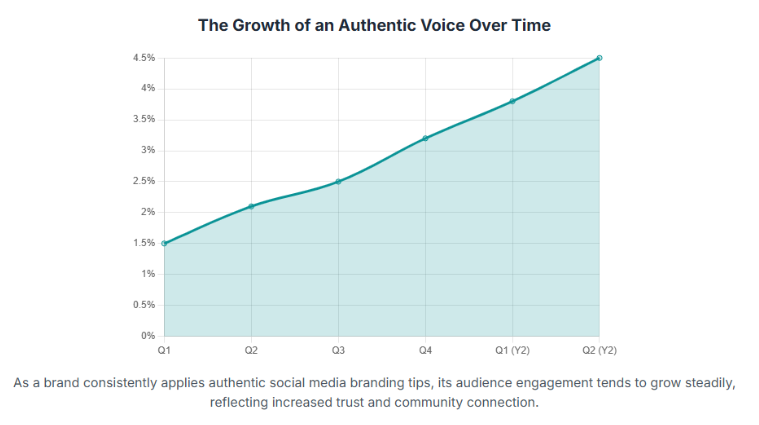
When KFC faced a problem with their chickens, their humorous and genuine “FCK” apology campaign turned the potential for a public relations disaster into a genuine communication, establishing their position in the market as an authentic brand leader. In the same way, brands like Domino’s or O2 have proven that publicly acknowledging and discussing issues through social media can drastically alter the tone of conversation and reinforce the company’s commitment to customer well-being.
The Art of Authentic Storytelling
Storytelling to promote authenticity goes beyond marketing copywriting. It involves crafting an engaging narrative that represents the authentic identity of the brand’s goals, values, and purpose. The telling of the story behind the brand’s beginnings, as well as its mission and the path it has taken, will allow customers to connect with the brand on an emotional and personal level. This approach to storytelling makes a brand more than a simple business to an integral part of their lives, leaving a lasting and memorable impression.
The most effective type of real content that social media can offer can be found in user-generated material (UGC). People consistently say that they trust other users much more than the brand or even influencers. Through active encouragement and amplified reviews, stories and testimonials, the brand can leverage this trust to build an effective type of authenticity and social proof. Companies such as Glossier, as well as Nutella, have created entire communities of brand ambassadors around this idea, sharing actual customer experiences that make their brands feel more trustworthy and relatable.
Cultivating a Community, Not Just an Audience
A company’s social media presence is an open channel for genuine dialog, not a one-way broadcasting channel. Building a solid customer base requires a long-lasting interaction that goes beyond surface interactions. This includes promptly and honestly responding to messages and comments and asking thoughtful questions that promote conversations. Although influencer marketing is an effective tool but its efficacy is now dependent on the credibility.
The trust in influencers is declining, and many people are watching sponsored content with suspicion. The trick is shifting the focus away from following the count to real brand alignment. Brands should work with influencers who are truly aligned with their beliefs and offer them the ability to express the brand’s image in their individual, unique style. This kind of collaborative approach is one that prioritizes natural integration over a fake endorsement, and is essential to maintaining the authenticity of the relationship.
Mastering Consistency and Reliability
Reliability and consistency are essential to ensure the brand’s credibility in social networks. Brands must ensure that their tone, voice, and visual appearance are consistent across all social media platforms. This ensures consistency in the brand’s reputation as time passes, making it simpler for consumers to recognize it and feel confident in its presence.
In addition, the speed at which a brand responds to inquiries from customers is a clear indicator of its credibility. A lack of speed or a robotic response to a service issue could seriously damage trust in social media, especially for younger users who demand immediate, personal communication. The list below outlines the key steps needed to establish an authentic and reliable online presence. To gain more insight into maximizing the impact of your brand, make sure you boost your ROI using Social Media Marketing.
| Strategic Pillar | Key Action | Why it Matters |
|---|---|---|
| Humanizing | Share behind-the-scenes content and introduce team members. Admit mistakes and respond transparently to criticism. | Shows the business is run by real people, not a faceless corporation. |
| Storytelling | Share your brand’s origin story and amplify customer narratives. Actively encourage user-generated content (UGC). | Creates an emotional connection with customers online and leverages the most trusted form of social proof and authenticity. |
| Community | Respond to comments and messages promptly and genuinely. Partner with influencers who align with your brand’s values. | Transforms a passive audience into an engaged community of advocates. |
| Consistency | Maintain a consistent voice and visual identity across all platforms. Ensure timely and helpful customer service responses. | Reinforces credibility and builds a dependable reputation. |
Client Case Study: From Skepticism to Advocacy
Our client is one of our clients, a mid-sized B2B technology company specialising in software for data analytics, which had to face a huge perception issue in the world of social media. While they have a solid and efficient product, their social media presence was too business-oriented and full of terms used in the industry. The audience saw the brand as an unrepresentative distant entity, without any emotional connection to the customers they interact with on the internet. The marketing efforts of the company failed to create the trust on social media needed to convert their followers into paying customers.
The strategy was an overhaul of the social media platform that was based on the pillars that comprise genuine branding. It was the first stage to personalise your brand’s image via social networks by showing the people who created the product. Instead of polished corporate headshots, a few informal videos were made of top engineers and managers discussing their enthusiasm for their work as well as the issues they had to address. This simple change brought an identity and sound to the company, making it instantly more accessible. The third and most important step involved an instance of transparency in marketing.
If a minor flaw in the product was found, instead of doing nothing, the company made the smart move of acknowledging the issue publicly via social media. The post was not an apology in the form of a generic one, but rather an honest explanation of the issue and what was being done to rectify it, and a sincere thanks to the customer who had reported the issue. The vulnerability displayed in the post showed that the company’s core was real people who took responsibility for their mistakes, resulting in a huge increase in customer confidence and a positive attitude. The brand then unveiled a marketing campaign centred around the content created by users.
Instead of highlighting features of the product, the campaign enlisted users to share their own stories about how the software solved an issue that was unique to them. This type of authentic storytelling highlighted real-life successes that transformed the existing customers into the most influential advocates for the brand. The campaign generated an abundance of genuine testimonials and eventually was a crucial source of authenticity and social proof. The results were transformational.
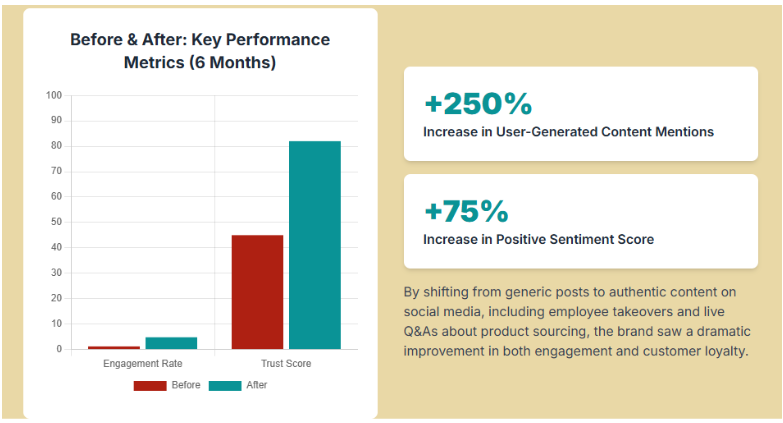
In just six months, the clients’ engagement on social media increased by more than 70% and their analysis of brand sentiment indicated a shift in the brand’s sentiment from “indifferent” to “positive.” The client also reported that potential customers were now referring to the social media posts and commenting on the fact that they felt “real” and “approachable” to the brand. The strategy changes successfully transformed a sceptical public into a group of passionate advocates and demonstrated that authenticity when it comes to social media is not just a flashy technique but a crucial element of success for businesses.
How A8om Delivers Authenticity-Driven Results
A8om’s services are built around the fundamentals of real connections and strategic communications. The approach of the agency directly addresses the difficulties of creating credibility for brands through social networks by making sure that its offerings are aligned with the strategic pillars laid out in the report. Through combining a thorough understanding of market dynamics and the dedication to open and transparent marketing through social platforms, A8om empowers brands to shift from a performance-based approach to one that is grounded in the purpose of their business and credibility.
FAQ
The process of establishing an authentic brand image through social networks requires an approach that is multifaceted. Begin by defining your primary values and goals, then ensure that all your content is aligned with these values. Make sure you practice transparency in your marketing via social networks by being transparent about your practices and open about the challenges. Be sure to engage in two-way dialogue with your followers, treating them as a community, rather than merely followers. A consistent messaging style and genuine engagement are essential to connect meaningfully with your followers.
Authenticity builds loyalty through an emotional bond with customers. If a company tells its authentic story and consistently adheres to its core values, it creates an impression of identity and purpose. This connection to the emotional side of customers makes them more likely to build lasting loyalty and become passionate advocates, even after a few negative experiences. Through showing authenticity through social media companies can strengthen the bond and establish long-lasting trust with their followers and turn them into loyal customers.
To appear genuine on social networks, A brand needs to highlight its humanity. Show the people who run the company, from founders to employees, with hidden content. Utilise storytelling to build trust in your brand with personal experiences and genuine customer stories, not just numbers and facts. Be honest about mistakes, as this flaw demonstrates sincerity and creates confidence. Genuine sharing on social networks can help bridge the gap between customers and brands by making the brand seem more accessible.
The ability to be real on social platforms is vital since it addresses the increasing distrust of traditional marketing by consumers. It can help a brand break through the clutter of a highly saturated market and make the brand more memorable as well as likable. Social trust in media is the strongest factor in both first-time purchases and loyalty over time since their authentic brands create deeper emotional bonds, which transform customers into advocates who tend to remain loyal and will recommend the brand to others.
“Storytelling to ensure authenticity in branding is a storytelling vehicle for a brand’s values, goals, and mission, through telling compelling stories–whether the story of origin, a journey of a customer or a pledge to a cause, a brand can make an emotional bond with its customers. The stories are resonant at a deeper level, which makes the brand more memorable and relatable. True storytelling can also enhance the authenticity of social media and allows customers to feel connected to the brand’s values and mission.
The ability to effectively handle negative feedback is a crucial test of a company’s honesty. It is best to be prompt and objective in responding and without taking criticism personally. Be sincere and apologize for any inconvenience. Move your conversation out of the public eye and move it to a private communication channel, such as an email or a direct message, and offer a concise explanation and a solution. The deletion of negative remarks should be avoided since it can be seen as insincere and could harm the trust of social media.
The authenticity paradox implies that following every trend that is viral could be perceived as unwise. The most effective method is to create a consistent, clear image, which allows the brand to interact with the world on its own terms. The brand’s values must serve as a filter, which will enable it to take on the trends that are in line with its purpose and target customers. This ensures that the brand remains true to its core values while remaining relevant and not looking forced.
AI can improve efficiency; however, its use in the creation of content could erode the authenticity of social networks. Users are more likely to interact with content created by humans. The trick is to use AI to facilitate real, human-led interactions, rather than taking them away. For example, AI can assist with customer service; however, genuine posts through social platforms should be from real individuals. Technology is used to enhance and not substitute for human connections.
The term “authenticity” is the ability to prove that a brand is genuine, and social evidence is evidence of this authenticity. For instance, a customer testimonial can be used as evidence that a company is genuine. The most effective method is to use authentic social evidence, like posts from users and authentic reviews, because they are believed to be more reliable than brand or influencer-generated content. All of these elements strengthen the brand’s credibility and build stronger connections with customers.
Small-sized companies can create authenticity for their brands by sharing their personal experiences of the founder and focusing on a specific specialisation, and highlighting local connections with the community. These strategies to build authenticity for brands for small-sized enterprises are usually low-cost, but extremely effective, tapping into the human desire to help genuine people and worthy causes. By taking advantage of these authentic connections, small businesses can stand out and create long-lasting relationships with their customers.
Conclusion: Authenticity Is Not a Buzzword, It is a Business Model
The age of overly polished marketing is now transitioning to a new paradigm in which genuine connections are the most valuable thing. Genuineness in social media is not just a superficial trend; it is a significant shift in the way businesses build long-lasting relationships. It is all about the values you hold in your life and the integrity you show, and the commitment you give to your clients. Incorporating the principles that are at the heart of E.A.A.T., making your brand more authentic by using social media and using genuine content shifts brands from a performance to a purpose, and thus establishes an ongoing trust in the world of digital brand trust.